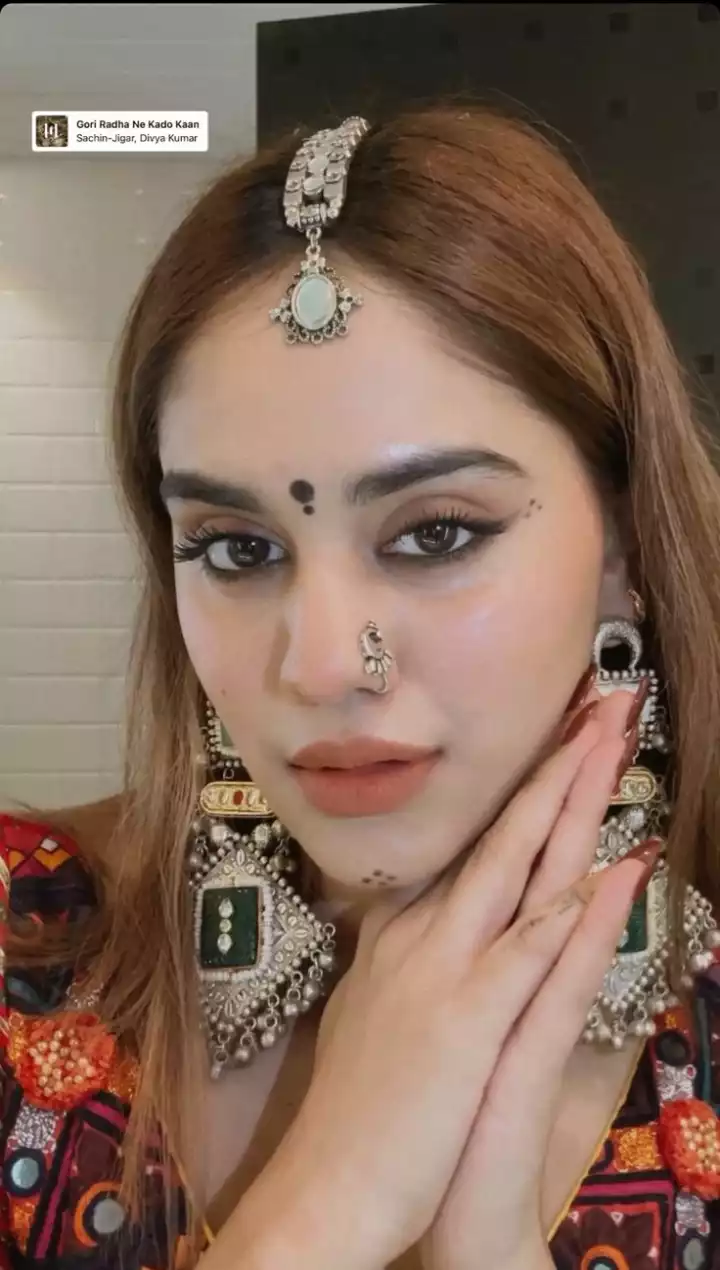
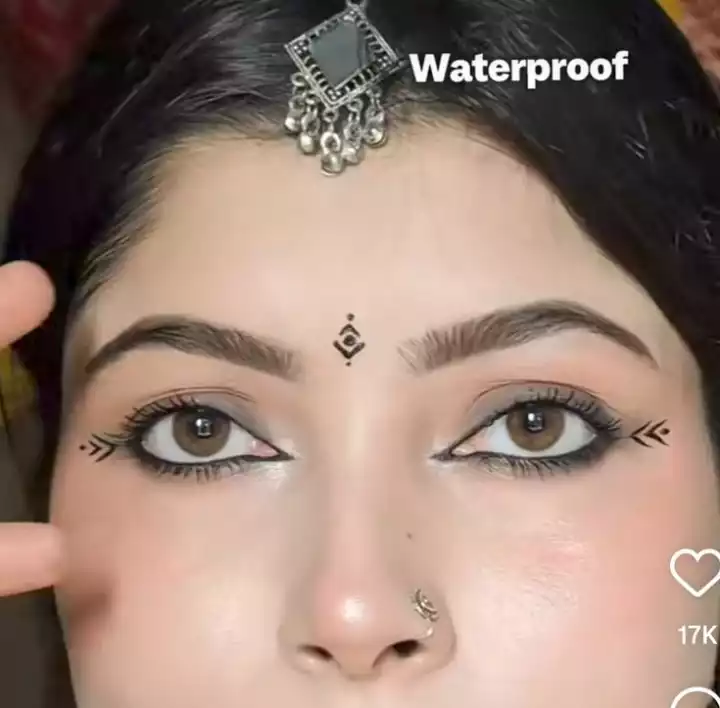
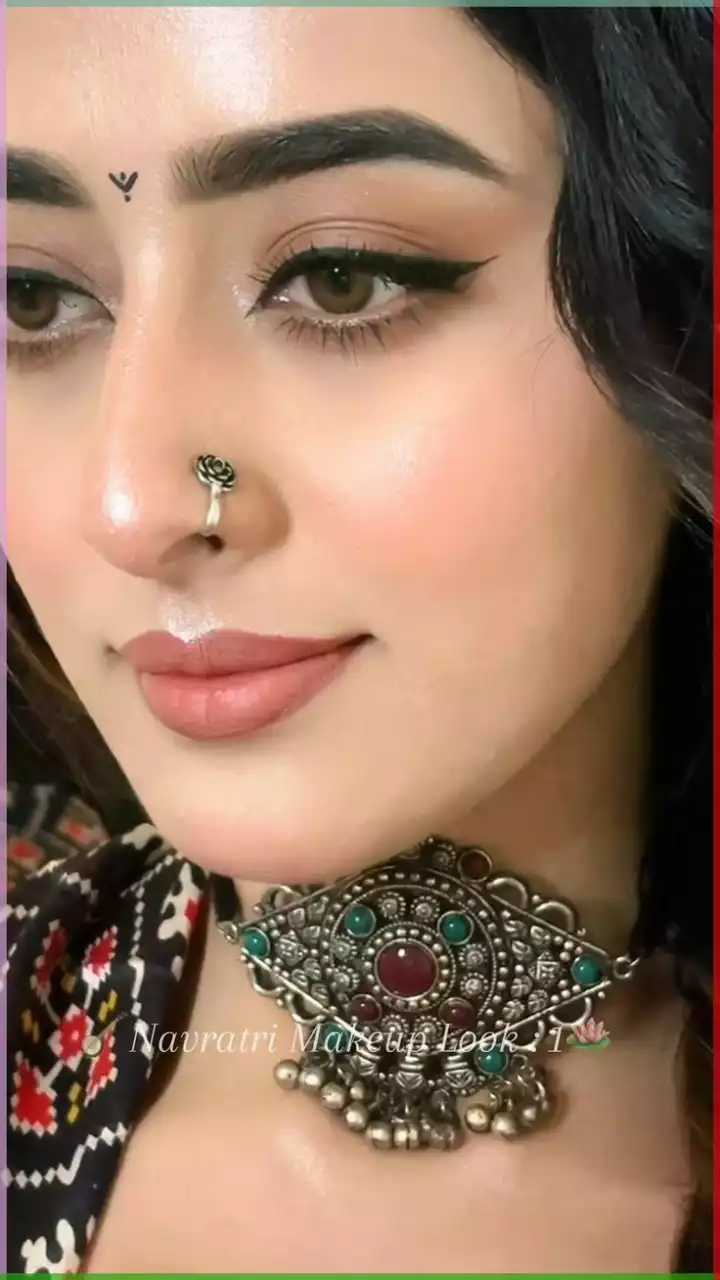
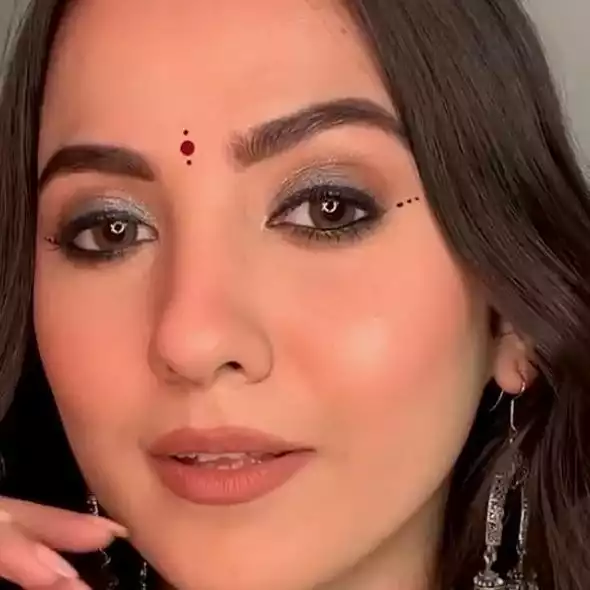
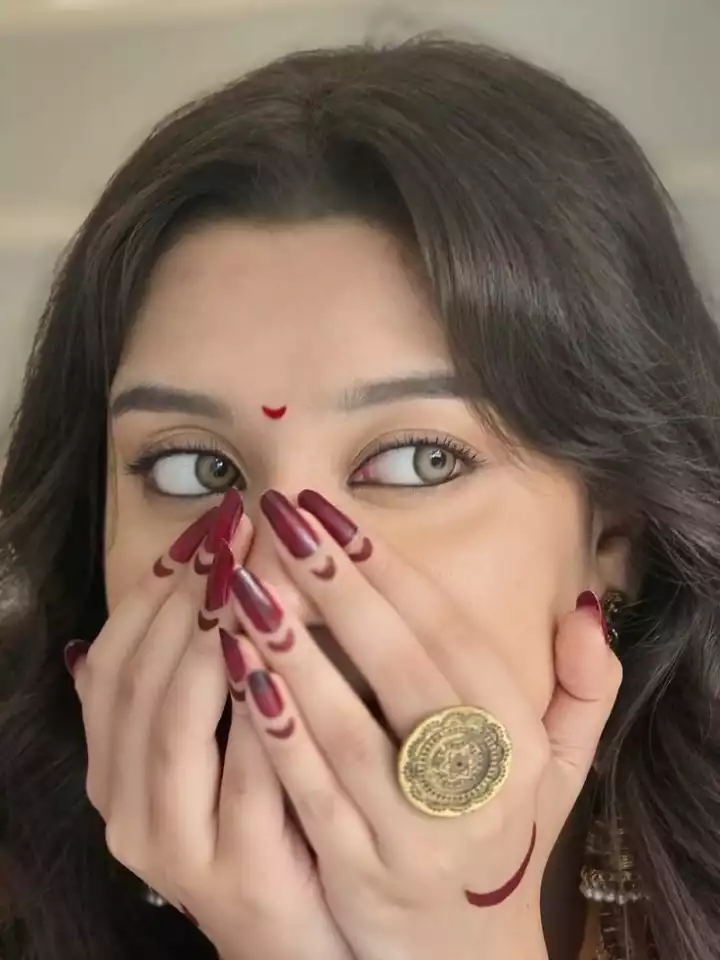
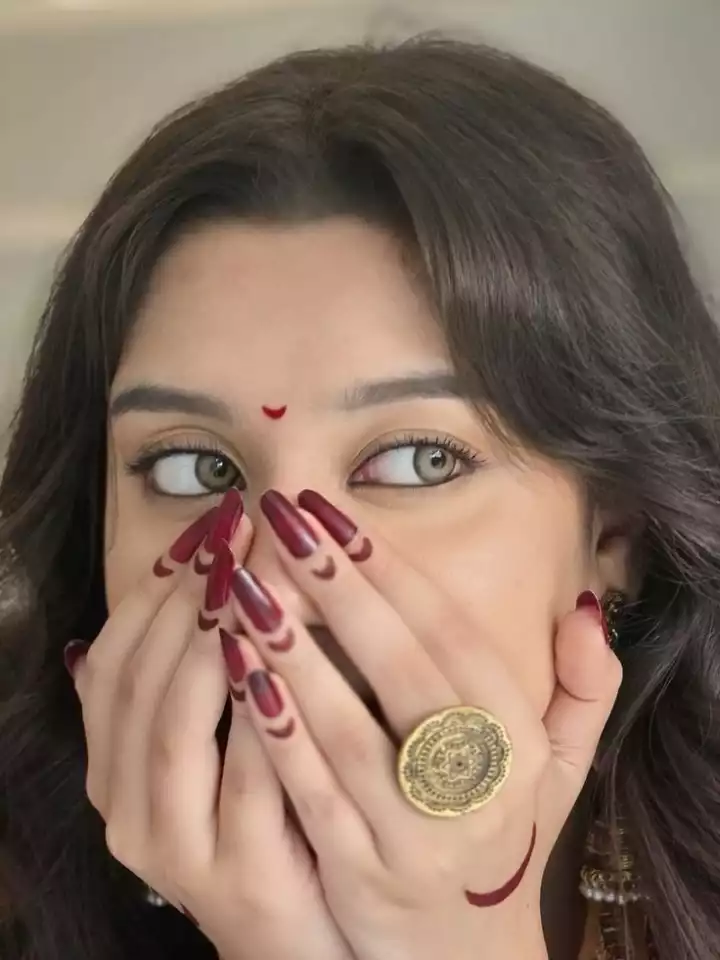
Explore bindi designs by wedding type, occasion, region, color, shape, location and pattern. Find the perfect look and book top beauty experts near you at Bewtee.
The bindi is one of the most powerful finishing touches in Indian beauty — a single dot, stone, or design placed on the forehead that brings an entire look together in an instant. At Bewtee, we have curated India's most comprehensive collection of bindi design ideas, organised by style, occasion, regional tradition, and face shape, so finding the right bindi for your look is as effortless as wearing it.
Whether you are a bride searching for the perfect Chandan bindi to complete your wedding look, a woman looking for a stone-studded design to pair with a festive lehenga, or someone who simply wants a beautiful everyday bindi that suits her face shape and outfit — everything you need is here. Browse the collections below, find the design that speaks to you, and take that final step toward a look that is truly complete.
Bridal bindi designs are the most searched and most detailed category on Bewtee — and rightly so. A bridal bindi is one of the sixteen elements of a bride's Solah Shringar, and the right choice can elevate the entire bridal look from beautiful to unforgettable. From simple red dots that let the jewellery speak, to elaborate Chandan art that covers the full forehead, bridal bindi designs require as much thought as any other element of the bridal look.
Chandan bindi designs are the signature mark of Bengali brides — intricate patterns created with white sandalwood paste and kumkum that spread across the forehead in floral vines, dotwork trails, and swirling motifs. Chandan is believed to bring peace and prosperity to a bride's life, and the cooling effect of sandalwood is as practical as it is traditional. These designs are works of art applied directly on the skin by a skilled makeup artist.
Stone and Kundan bindi designs are the modern Indian woman's most versatile choice — a small, jewelled dot that catches the light and elevates any look without demanding attention. Stone bindis in red, gold, maroon, and multicolour work equally well with a heavy bridal lehenga, a festive saree, and a simple office kurta. Their understated elegance is exactly why they consistently top bindi request lists.
Crystal and Swarovski bindi designs bring glamour to the forehead in a way no other bindi type can match. The reflective sparkle of a crystal bindi under lights at a wedding reception or a Navratri garba night is genuinely show-stopping. Available in every colour imaginable — from classic silver and gold to deep blue, emerald, and rose pink.
Simple everyday bindi designs are the workhorses of any woman's bindi collection — small round kumkum dots, maroon felt bindis, and subtle black or coloured sticker bindis that pair with everything from a crisp office saree to a casual cotton salwar. Simple does not mean plain — the right small bindi in the right colour is often more striking than the most elaborate designer piece.
Designer and statement bindi designs push the bindi into fashion territory — teardrop shapes, elongated verticals, geometric cuts, crescent forms, and multi-piece compositions that frame the face and become a design element in their own right. Popular among younger women for fashion events, sangeet nights, and anyone who wants their bindi to make a statement before anything else does.
Regional and traditional bindi designs reflect the extraordinary diversity of Indian culture. The Chandrakor crescent bindi of Marathi brides. The Chandan and kumkum art of Bengali brides. The bold red dots of traditional South Indian women. The elaborate stone-set maang tikka bindis of Rajasthani brides. Each regional style carries its own history, symbolism, and beauty — and each one is represented in the Bewtee bindi blog.
The right bindi changes with where you are going, what you are wearing, and how bold you want to feel.
Wedding day — A bridal bindi is among the most considered choices of the entire bridal look. For North Indian brides in heavy lehengas, a large elaborate designer or stone bindi with a maang tikka creates a cohesive, royal finish. South Indian brides in silk sarees are beautifully complemented by a bold, classic red dot or a simple gold stone bindi. Bengali brides traditionally wear Chandan art. Marathi brides wear the Chandrakor crescent. Know your tradition — and then make it your own.
Engagement and pre-wedding ceremonies — Sangeet and cocktail nights call for crystal and Swarovski bindis that sparkle under festive lighting. Mehendi ceremonies suit warm gold or floral stone designs that complement the henna on the hands. Haldi ceremonies are best kept minimal — a small, simple bindi that stays put through the celebrations.
Navratri and Garba nights — Nine nights means nine bindi changes to match the traditional colours of each day. Vibrant, bold, and festive are the only rules here. Crystal bindis in the day's colour, multi-stone designer pieces, and glitter bindis all belong on a Navratri stage. The bigger and the more sparkle, the better.
Eid — Eid bindis lean toward elegance and coordination. Jewelled stone bindis in gold and pearl tones pair beautifully with anarkalis and sharara suits. Crystal designs in deep jewel tones — emerald, sapphire, and ruby — complement the richness of Eid festive wear.
Diwali and festive occasions — Gold, red, and deep jewel tones dominate Diwali bindi choices. Stone-studded and crystal designs in warm gold and maroon hues pair perfectly with silk sarees, velvet blouses, and traditional festive wear. A bindi that catches the light of diyas and fairy lights photographs beautifully.
Karwa Chauth and Teej — These occasions call for traditional red. A bold kumkum bindi or a red Kundan stone design honours the sanctity of the fast while completing the full ethnic look of a married woman dressed in her finest for her husband's longevity.
Everyday and office wear — A small, neat felt or sticker bindi in maroon, black, or a coordinating colour is all that is needed to pull a daily work look together. Simple, non-distracting, and quietly elegant. The kind of bindi that you stop noticing is there until the day you forget to put it on — and immediately notice the difference.
Minimalist stone bindis continue to dominate everyday and semi-formal wear — a single pearl or a small flat crystal placed cleanly between the brows, no embellishment around it, just the stone and the face. Quiet, confident, and effortlessly polished.
Multi-piece bindi compositions are the biggest bridal and festive trend of the moment — two or three bindis arranged in a deliberate pattern on the forehead, often extending slightly toward the hairline or temple. When executed with matching stone designs, the effect is of wearable jewellery rather than a traditional accessory.
Coloured crystal bindis matching the outfit — brides and festive dressers are increasingly choosing bindis in the exact shade of their lehenga or saree border rather than defaulting to red or gold. A deep teal bindi with a teal and gold outfit creates a cohesion that photographs exquisitely.
Elongated teardrop and vertical bindis continue to trend for their face-lengthening effect on rounder face shapes. The vertical shape draws the eye upward and creates a leaner, more elongated appearance — making it one of the most flattering bindi shapes for women with wider or rounder foreheads.
Chandan-inspired designer bindis — mass-market and salon-applied designs inspired by traditional Bengali Chandan art — are growing in popularity beyond Bengal, as brides from other communities discover the delicate beauty of white sandalwood-style patterns on the forehead. Makeup artists across India are now offering this as a bridal service.
Gold foil and metallic bindis bring a contemporary editorial edge to traditional wear — flat metallic dots and geometric shapes in gold, rose gold, and silver that look more like face jewellery than a classic bindi. Popular among younger women at fashion events and destination weddings.
The bindi has been worn by Indian women for thousands of years, with origins rooted in both spirituality and tradition. The word bindi comes from the Sanskrit word Bindu, meaning dot or point. It marks the location of the Ajna Chakra — the sixth chakra, often called the third eye — which in Hindu tradition is the seat of hidden wisdom, intuition, and inner energy. The red colour has long symbolised love, power, and auspiciousness. While the bindi was traditionally worn by married women as a symbol of marital status, it is now embraced by women of all ages, backgrounds, and communities as a symbol of beauty, cultural pride, and self-expression.
Elongated, teardrop, and vertical bindis are the most flattering choice for round or wide faces. They draw the eye upward and create an illusion of length that balances the face shape beautifully. Avoid perfectly round or wide horizontal designs, which can accentuate the width of a round face. Designer and stone bindis in a vertical teardrop shape are the most practical and widely available option for this face type.
The answer depends on regional tradition, outfit, and personal style. Bengali brides traditionally wear elaborate Chandan art bindis applied by a makeup artist. Marathi brides wear the iconic Chandrakor crescent. South Indian brides typically choose a bold red kumkum dot or a gold stone design. North Indian brides in heavy lehengas often pair a large stone or crystal bindi with a maang tikka. The most important principle is that the bindi should complement rather than compete with the jewellery, and it should honour the bride's tradition while reflecting her personal taste.
Self-adhesive sticker bindis are designed to last a full day on clean, oil-free skin. For longer wear, apply your bindi before moisturiser or foundation reaches the forehead area, and press it firmly for a few seconds after placing it. Avoid touching or rubbing the forehead during the day. If you find bindis slip on your skin, a small amount of eyelash glue applied to the back of the bindi before placement gives a significantly stronger hold — useful for brides and anyone wearing a bindi through a long festive event.
Absolutely. The bindi has always evolved with the times, and pairing it with western outfits is a confident act of cultural expression, not a fashion mistake. A small crystal stud or gold stone bindi with a white kurta or even a formal blazer can look refined and intentional. The key is scale — choose a small, neat design rather than a full bridal piece, and let it be the singular ethnic touch that elevates an otherwise western look.

Promote your Salon and Beauty Business to India's number one Beauty community.
Contact UsShare your email address to start receiving the latest content from Bewtee Magazine in your inbox daily.